Kids Skincare Boom Sparks Dermatologist Concerns
A contentious new frontier in the beauty world has sparked alarm among skin health experts, as a celebrity-backed brand launched face masks designed for children as young as four. Dermatologists are denouncing this development, labeling it a "dystopian" move that pushes the industry's focus from teenagers down to toddlers. This has ignited a fierce debate about the necessity and safety of advanced skincare for the very young.
The Expanding Youth Skincare Market
This controversy is part of a much larger movement seeing a proliferation of brands targeting children and young adults. The social media trend known as "Sephora kids" highlights this shift, where children post videos showcasing sophisticated beauty products from popular lines like Drunk Elephant and Bubble.
Capitalizing on this interest, new brands are emerging to cater specifically to these younger demographics. Ever-eden, for instance, launched in the United States as the first skincare line formulated for children under 14. In the UK, high-street retailer Superdrug recently introduced its POP range, a collection created for Generation Z, spanning ages 13 to 28.
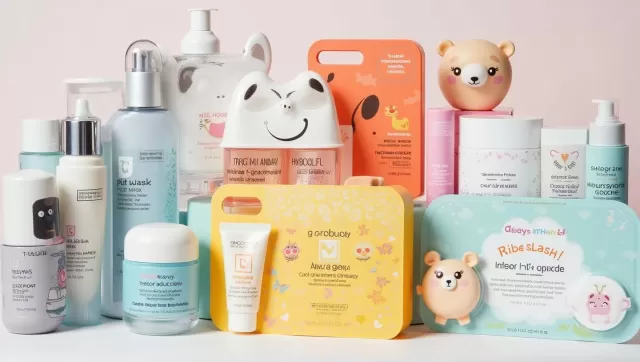
The latest entry into this market comes from actor Shay Mitchell, known for her role in Pretty Little Liars. Her new brand, Rini, offers hydrogel face masks for children, which she claims were inspired by her own daughters. The brand's co-founders promote the line as an intersection of "skincare and play," aiming to cultivate healthy routines and confidence in children through accessible and thoughtfully designed products.
Dermatologists Voice Strong Objections
The medical community has responded with significant backlash. Dr. Emma Wedgeworth, a consultant dermatologist based in London, dismissed the products as "ridiculous" and completely non-essential. She emphasized that when applying anything to a child's skin, the potential benefits must be weighed against the risks. In this case, she argues, there are no real benefits, only the unnecessary risk of exposure to potentially irritating ingredients.
According to experts, skincare for young children should remain strictly functional, consisting of three core components:
- Gentle cleansing
- Moisturizing only when the skin is dry
- Consistent sun protection
Dr. Wedgeworth noted that fragranced products or complex formulas do not provide any meaningful support to a child's developing skin barrier. A primary concern is the psychological impact. Very young children are naturally unselfconscious, and dermatologists warn that introducing a focus on appearance at this age can create undue scrutiny and anxiety about their looks. Furthermore, a child's skin is inherently more sensitive, and layering it with multiple chemicals increases the likelihood of irritation and developing sensitivities later in life.
This sentiment was echoed by dermatologist Amy Perkins, who found the marketing of "restorative" face masks for toddlers to be eerily dystopian, viewing it as a clear sign of the beauty industry expanding its commercial reach to an even younger, more vulnerable audience.
The Brands' Position: Nurturing Healthy Habits
Despite the criticism, the brands maintain that their products are safe and beneficial. Rini markets its animal-themed, fragrance-free facial sheet masks, sold in bundles for £11, as being made from pure cotton and containing vitamin E. The company's website states its mission is to make daily care a playful and positive experience for families.
Similarly, Ever-eden positions itself as a brand rooted in science and safety, developed by pediatric dermatologists for "Generation Alpha." Its website offers product bundles for children aged three and up, including cleansers and SPF-infused creams, which are promoted as dermatologist-tested and suitable for sensitive skin.
Superdrug's POP range was developed to address what the company identified as a gap in the market for affordable yet effective skincare for younger consumers. The retailer stated that the line was co-created with a youth group to ensure its formulas and messaging were authentic and met the needs of developing skin.