Live Music Tops Sex, Sports in Entertainment Preference
In a world where free evenings offer a tantalizing escape from the mundane scroll, a fascinating dilemma emerges: a live music experience or intimate connection? The answer, as with most profound choices, hinges on the specifics. Imagine a triple bill of aggressive nu-metal versus a captivating evening with a beloved actor – the choice becomes clearer. However, when these variables are left undefined, as in a recent survey by gig promoter Live Nation, the outcome can be strikingly unambiguous.
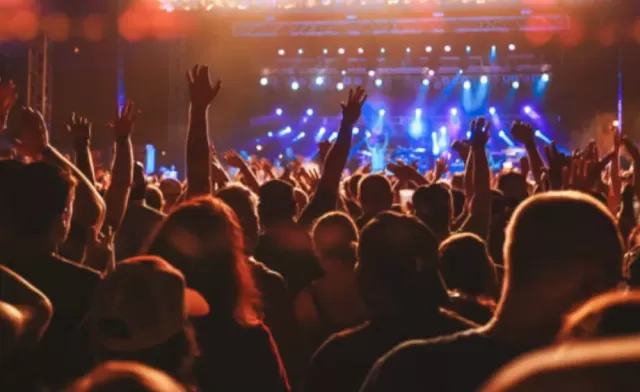
A global report by Live Nation, polling 40,000 individuals across 15 countries, revealed a significant preference for live music. The study found that concerts have ascended to the pinnacle of entertainment, surpassing sports, cinema, and even sexual activity. When asked to choose a single form of entertainment for the remainder of their lives, 39% of respondents favored live music, significantly outranking cinema at 17% and sporting events at 14%. More strikingly, when presented with a direct choice, 70% of participants opted for seeing their favorite artist perform live over engaging in sexual intercourse.
While it's understandable that a survey commissioned by a concert promoter might lean towards music, the starkness of the results invites deeper consideration. The hypothetical choice between a legendary performer like Paul McCartney on stage and a more conventional sexual encounter highlights how the perceived value of each experience can shift dramatically with context.
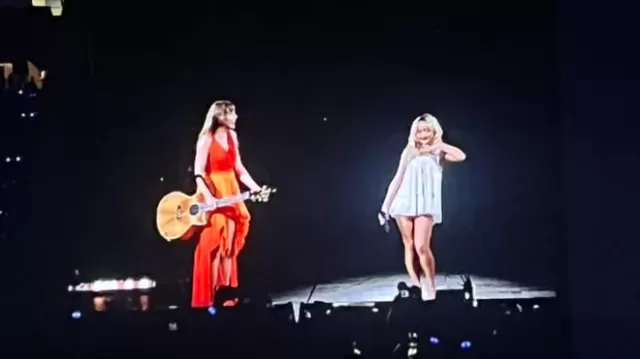
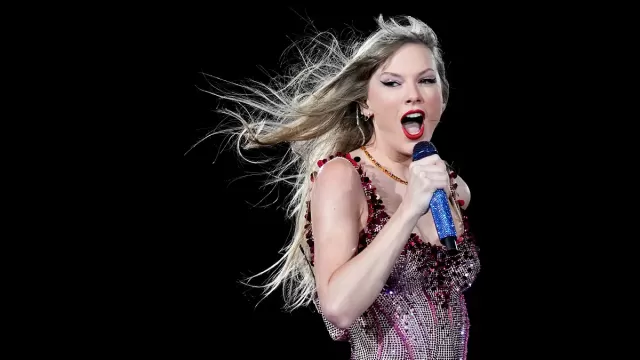
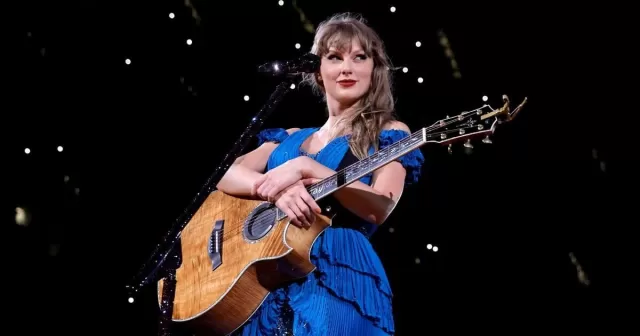
The modern concert landscape has transformed into a competitive arena. Live Nation notes a threefold increase in stadium attendance year-over-year, with festivals selling out at unprecedented speeds. Securing tickets now demands strategic planning, lightning-fast reflexes, and substantial financial investment. The experience itself has also evolved, particularly for pop music fans. The expectation is no longer just to attend and enjoy; it's to maximize the "return on investment" by attending multiple shows, even traveling internationally, studying setlists in advance, and mastering crowd participation cues established at prior events. The Taylor Swift Eras Tour, a 1.5-year, $2 billion phenomenon, exemplifies the lengths to which fans will go to feel part of a cultural moment and witness their idols, sometimes prioritizing spectacle over the music itself.
Conversely, sexual activity, once considered an accessible and relatively inexpensive pleasure, appears to be in decline. Data from a 2020 YouGov survey indicated that approximately a quarter of Britons engaged in sex weekly, with nearly a third reporting sexual inactivity. In the US, a 2021 survey showed 26% of American adults had not had sex in the past year, an increase from 2010. Both trends have been linked to reduced sexual activity among younger demographics. This contrasts sharply with the booming market for large-scale music events and the intense competition for tickets. While the direct comparison of attending multiple concerts versus remaining celibate is obviously an oversimplification, it may offer insight into which activity is perceived as a more reliable source of gratification.
The parallels between live music and sexual encounters are perhaps more profound than initially apparent. Both represent a real-world validation of expectations or potential that may have been built up internally. Attendees approach both with a degree of anticipation, hoping for a pleasant surprise. The success of either experience hinges on the alignment of energies and expectations. Often, the reality may fall short of the ideal, leaving one feeling less than satisfied. In both scenarios, substances like drugs and alcohol can either elevate or detract from the experience, though they may offer solace during less favorable moments.
The optimal experience in both concerts and sex lies in finding that delicate equilibrium between the familiar and the novel, similarity and difference, effort and ease. These moments of perfect synergy are rare, but the memory of their occurrence is what fuels our desire to repeat them, whether by pursuing a date or purchasing concert tickets. While the material outcomes differ vastly, the pursuit of one is demonstrably more challenging than the other. The prevalence of negative dating experiences, from disappointing encounters to outright hostility, likely contributes to the growing sentiment that attending a gig is a more appealing alternative.
For many, revisiting a cherished concert memory might easily eclipse an average, unmemorable sexual encounter. However, it's also true that not every concert lives up to expectations; mood, environmental factors, or unexpected artistic choices can detract from the enjoyment. The variables are numerous and often unpredictable. The outcome could be an exhilarating, unforgettable experience that reaffirms one's passion for live performance, or it could be an event one is eager to escape before the final notes fade. Regardless, the only way to discover the potential of either is to actively engage with the experience, rather than remaining a passive observer at home.