Rosalía's 'Lux': Saints, Spirituality, and Rejection of Pop Superficiality
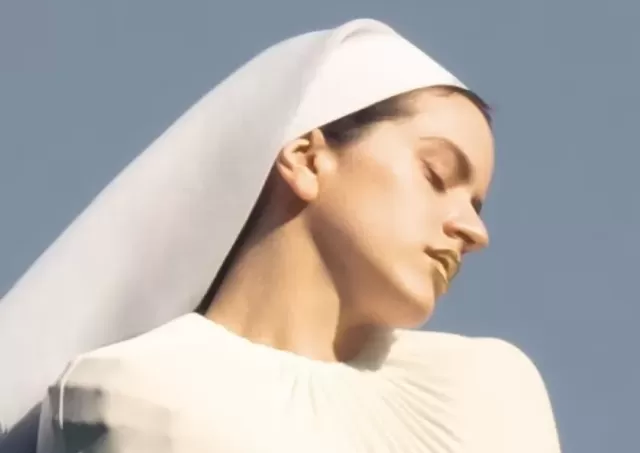
In an industry often preoccupied with celebrity drama and thinly-veiled personal jabs, Rosalía stands apart. The Catalan artist expresses a distinct weariness with the current pop landscape, finding greater inspiration in the lives of female saints than in the gossip columns. Her monumental fourth studio album, Lux, serves as a testament to this fascination, drawing from a deep well of feminine mysticism and spirituality.
The Spiritual Muse: Drawing Inspiration from Saints
Lux is a complex tapestry woven from the biographies of dozens of female saints. Rosalía delves into stories of murder, materialism, and rebellion, exploring the paradoxical paths that led these women to canonisation. She speaks knowledgeably about her muses, from the 12th-century abbess Hildegard of Bingen, whose piercing visions influenced the gothic single "Berghain," to Vimala, a poet and former prostitute whose writings are preserved in the ancient Buddhist Therīgāthā.
She is particularly captivated by the story of Santa Olga de Kyiv, a 10th-century figure who achieved sainthood after converting many to her religion, despite a history of violent revenge. For Rosalía, these stories highlight the vastly different cultural and religious understandings of what it means to be holy. Her academic curiosity is palpable; if not for music, she confides she would likely be immersed in theological or philosophical studies.
An Audacious Sonic Architecture
The album is an ambitious undertaking, spanning 18 tracks and incorporating lyrics in 13 different languages. Its sonic palette is equally vast, featuring two choirs, a contribution from Björk, a poetry reading by Patti Smith, and the London Symphony Orchestra. While her previous album, Motomami, was a playful exploration of South American club sounds, Lux represents a return to her roots, centering the classical flamenco training that has always been her foundation.
This return is not a simple retreat but a sophisticated evolution. Rosalía continues her lifelong work of twisting tradition through avant-garde electronic production, creating a sound that is both ancient and futuristic. The album's culturally voracious nature, while potentially provocative, is underscored by her undeniable mastery of its many disciplines, from menacing Latin raps to flawless pop execution.
The Discipline of Creation: Solitude and Asceticism
The creation of Lux demanded immense personal sacrifice. Rosalía estimates she produced 97% of the album alone, describing it as the most demanding project she has ever undertaken. She relocated to Los Angeles, far from her family in Barcelona, embracing a near-ascetic lifestyle to focus entirely on the work.
She describes her creative process as one of self-erasure, requiring solitude and a simplified daily routine where doing "barely nothing but this" was the only path forward. For her, the role of a performer is to become a channel or a vessel, a concept she finds deeply fulfilling. She admires artists like Nick Cave who embody "otherness," and sees this act of understanding "the other" as a necessary counterbalance to a divided world.
Faith, Playfulness, and Personal Trials
The religiosity present in Lux is far from superficial. Rosalía reveals she prays every night, maintaining a personal relationship with God—a practice rooted in childhood visits to church with her grandmother. She finds beauty in the ritual and communion of shared faith.
However, her approach is not one of pure reverence. The album is infused with a characteristic playfulness, toying with sacred symbolism in a way that is both daring and thoughtful. Tracks like "Novia Robot" critique patriarchal expectations while declaring she is "guapa para Dios" (hot for God). She believes the beauty of art lies in proposing questions, often finding more questions than answers, and that playfulness is essential to the creative act.
Beneath the layer of beatification, Lux also functions as a potent breakup album. While she avoids direct discussion of her past engagement, lyrics indict an "emotional terrorist" and speak of choosing to speak out rather than remain silent forever—a powerful callback to the themes of her breakthrough album, El Mal Querer.
Navigating Criticism and Embracing the "Diva"
Rosalía's career has been consistently accompanied by critiques of cultural appropriation and scrutiny of her public persona. She addresses the modern "cancel culture" with a plea for a greater "culture of forgiveness," citing Roland Barthes' idea of the anti-hero who can "bear contradiction without shame."
She finds strength in the legacy of what she calls "irreverent women"—figures like Joan of Arc, Aretha Franklin, and Patti Smith. These "divas," as she celebrates them, are her guide and inspiration: women who are unapologetic about their path and endure the weight of public expectation. She firmly believes that those who listen to her music will understand that it originates from a place of love, a desire to learn, and a passion for sharing.
The Duality of Light and Dark
The album's title, Lux, is Latin for "light." Yet, Rosalía is deeply interested in the interplay between light and darkness. She references a quote she admires about an artist walking beside the devil to expand our understanding of wickedness. For her, placing opposites beside one another allows for a deeper comprehension of both.
This philosophy is embodied in the song "Berghain," where a plea for "divine intervention" is immediately followed by an aggressive, profane threat. She explains that the title draws from the technical translation of "mountain grove," representing the internal forest of thoughts where one can get lost. The album's darker passages, she suggests, are essential for its light to shine even brighter.
Lux is now available, marking a new, spiritually-charged chapter in the ever-evolving journey of one of pop music's most singular artists.