Sourdough Starters: Flour Shapes Microbial Evolution
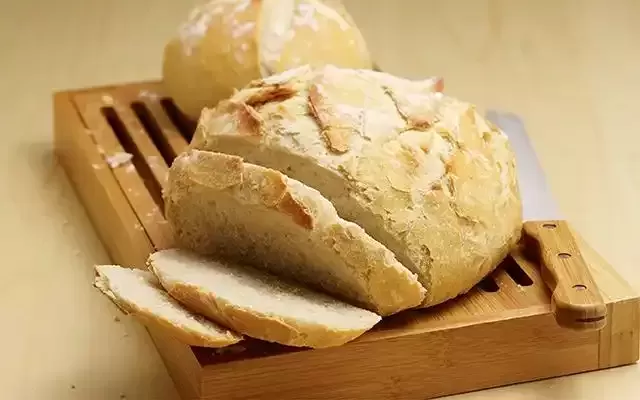
While many home bakers view their sourdough starter as a simple mixture of flour and water, scientists see a complex ecosystem undergoing rapid evolutionary shifts. This fermented base, responsible for the iconic airy texture and sharp tang of artisanal bread, serves as a microscopic community of over 60 bacterial species and 80 different yeasts. Recent research from North Carolina State University highlights how these tiny organisms compete and thrive based on the specific ingredients they are fed.
The Ecological Impact of Flour Selection
A study published in Microbiology Spectrum explores how the type of grain used—whether it be wheat, rye, or millet—dictates the microbial landscape of a starter. Because each grain variety provides a unique nutritional profile, it acts as a primary environmental driver for the microbes. The research indicates that:
- Different flours provide distinct nutrients that favor specific bacterial colonies.
- Environmental factors, such as the baker's touch and local air quality, also contribute to the starter's unique signature.
- Home bakers can effectively manipulate the flavor profile of their loaves by simply swapping their base flour.
Challenging Expectations in Yeast Research
The study, which grew out of a middle school educational initiative, utilized genetic metabarcoding to track microbial changes over several weeks. Scientists initially expected to see a surge in Saccharomyces cerevisiae, the common baker's yeast found in most commercial products. However, the results told a different story. In every tested scenario, yeasts from the genus Kazachstania became the dominant force, regardless of the flour type or feeding frequency. This unexpected dominance suggests that certain wild yeasts are better adapted to the competitive environment of a long-term sourdough culture than traditional commercial strains.
Bacterial Diversity and Bread Profiles
While the yeast remained consistent across various samples, the bacterial communities showed significant variation based on the substrate. The analysis revealed specific patterns in how bacteria colonize different flour types:
- Whole wheat starters were characterized by high concentrations of Companilactobacillus.
- Bread flour starters tended to foster the growth of Levilactobacillus.
- All-purpose flour produced its own distinct microbial fingerprint, though it shared some similarities with other refined wheat products.
Evolutionary Lessons for the Modern Baker
These findings suggest that a starter is not just a static ingredient but a highly responsive microbiome. By understanding the relationship between grain types and microbial persistence, scientists can better predict how these communities form and adapt to new environments. For the baker, this means that every choice—from the bag of flour on the shelf to the feeding schedule—is an active step in a complex evolutionary experiment. Ultimately, these microbial shifts are what define the character, aroma, and crumb of the final loaf.