Virginia Ham: A Culinary Heritage
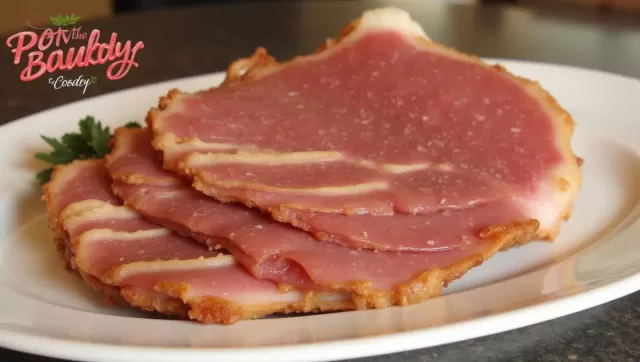
In the diverse tapestry of American regional cuisine, some foods become synonymous with the state from which they hail. Alaska is known for its wild salmon, Georgia for its peaches, and Idaho for its potatoes. Yet, for those in the know, Virginia stands as the true king of an iconic culinary delicacy: ham. This isn't just any ham, but a product rooted in centuries of tradition, local flavor, and a meticulous curing process that elevates it to an art form.
The Birth of Virginia Ham: A Historical Legacy
The origins of Virginia ham trace back over 400 years, to the settlement of Jamestown in the early 1600s. When the first colonists introduced pigs to the region, the climate and landscape proved ideal for raising these animals. Before long, pigs thrived, and the settlers began to look for ways to preserve the abundance of meat they had at their disposal. It was the Native Americans who introduced the settlers to the method of preserving venison through salting and smoking, techniques that were soon adapted for pork.
The process involved slaughtering razorback hogs in the fall, rubbing the meat with salt, smoking it slowly, and allowing it to age through the winter and spring. This slow-curing process, combined with the use of local salt and the region's fluctuating temperatures, turned raw pork into the rich, flavorful ham we recognize today.
The unique flavor of Virginia ham is also closely tied to the local landscape. Pigs were allowed to forage freely, feeding on acorns, hickory nuts, and, notably, peanuts. Following the Civil War, peanuts became a major crop in the Smithfield area, and pigs were turned out into the fields to feast on the leftover harvest. This peanut-heavy diet, combined with the careful curing process, produced a ham with a distinctive, rich flavor profile—launching the region's ham to international acclaim.
The Art and Craft of Curing Virginia Ham
Creating a true Virginia country ham is a skill that combines both science and artistry. The process is far more than a method of meat preservation; it's a way to cultivate deep, complex flavors.
The Core Process:
The traditional method for curing Virginia ham involves dry-curing whole legs of pork with salt, followed by gentle smoking over hardwoods, and then aging them in open air for several months, sometimes even years. This lengthy process draws moisture from the meat, slows oxidation, and allows the flavors to develop, resulting in a ham that is nutty, sweet, and profoundly smoky.
Variables That Define the Flavor:
Several key factors influence the final flavor of Virginia ham, making each batch unique. These include:
- Hog Breed & Diet: Heritage breeds and a diet of peanuts, acorns, and corn contribute to a marbled fat and richer flavor.
- Curing Method: The exact blend of salt and spices used in the dry rub plays a significant role.
- Smoking Wood: Different types of wood, such as hickory or apple, infuse the ham with subtle, distinctive notes.
- Aging Environment: The conditions of the aging environment—temperature, humidity, and airflow—are critical and require careful attention to ensure proper flavor development.
Mastering the curing process is a skill that takes years to perfect, relying on the curer's senses—taste, touch, and sight—along with precise measurements and techniques.
Virginia Ham vs. the World: A Global Comparison
Virginia ham stands proudly alongside the world's most revered cured meats. Here's how it compares to two iconic international hams:
| Feature | Virginia Country Ham | Jamón Ibérico (Spain) | Prosciutto di Parma (Italy) |
|---|---|---|---|
| Primary Diet | Peanuts, acorns, corn | Acorns (bellota), grasses | Grains, sometimes whey from Parmigiano Reggiano |
| Breed | Various heritage breeds | Black Iberian Pig | Large White, Landrace, and Duroc |
| Curing Time | 6 months to 2+ years | 2-4 years | Minimum 12 months, often longer |
| Flavor Profile | Salty, smoky, nutty, complex | Nutty, earthy, sweet, less salty | Delicate, sweet, slightly nutty |
| Texture | Firm, can be cooked or aged, sliced thin | Rich, buttery, marbled fat | Soft, silky, tender |
In recent years, a handful of American producers have aimed to rival these international classics. Notably, Edwards Virginia Smokehouse has earned recognition for its heritage-breed hams, which are carefully crafted from start to finish, creating a domestic product that competes with the finest offerings from Spain and Italy.
Navigating the Labels: What You're Really Buying
When shopping for ham, it's important to understand the terminology and what each label means:
- Virginia Ham: Refers to a country ham that has been cured in Virginia. It is often sold cured but uncooked, requiring further preparation before eating.
- Country Ham: A more general term for any ham cured using the traditional dry-salting, smoking, and aging method, regardless of location.
- Virginia-Style Ham: This indicates the ham was cured using methods similar to a traditional Virginia ham but was not necessarily produced in Virginia. It typically appeals to those seeking the specific flavor profile of Virginia ham.
A Culinary Icon Facing the Future
Despite its rich history, the world of traditional Virginia ham has faced significant challenges in recent decades. Financial pressures, ownership changes—such as Smithfield Foods being acquired by a Chinese company—and natural disasters have impacted production. A devastating fire at Edwards Smokehouse and a tornado that destroyed smaller producers have also threatened the availability of this iconic American delicacy.
Nevertheless, the passion for Virginia ham endures. Chefs and food enthusiasts continue to celebrate its complex, salty flavor, incorporating it into a variety of creative dishes. From thin slices in biscuits to wrapping it around seasonal vegetables, the demand for high-quality country ham remains strong. Thanks to the dedication of modern curers and the continued legacy of the Jamestown settlers, this culinary treasure remains a fixture on American tables.
Recipes to Savor the Flavor of Virginia Ham
Explore the versatility of Virginia ham with these delicious recipes:
Country Ham Flatbread with Figs and Arugula
This elegant flatbread combines salty, sweet, and peppery flavors for a perfect appetizer or light meal.
Ingredients:
- 1/2 cup balsamic vinegar
- 8 oz pizza dough, room temperature
- Cornmeal for dusting
- 1 tsp olive oil
- 6 oz crumbled goat cheese
- 3-4 mission figs, thinly sliced
- 1 oz country ham or prosciutto, torn
- 1/4 cup baby arugula
- Salt and pepper to taste
- 1/4 cup grated Parmesan cheese
Directions:
- Let dough rest at room temperature for one hour. Preheat oven to 500°F.
- Simmer balsamic vinegar in a sauté pan for 15-20 minutes until reduced by half and thickened.
- Roll out dough on a cornmeal-dusted surface. Place on an oiled baking sheet, season with salt and pepper, and bake for 10 minutes.
- Remove flatbread, switch oven to broil, top with figs and ham, and broil for 1-2 minutes.
- Remove from oven, top with arugula, goat cheese, and a drizzle of balsamic reduction. Add Parmesan, slice, and serve.
Country Ham Fantastics
These warm, savory party rolls are a Southern classic and always a crowd-pleaser.
Ingredients:
- 3/4 lb cooked country ham slices, cut into small pieces
- 1/2 lb grated Swiss cheese
- 24 Parker House rolls
- 1 stick butter
- 1-2 tbsp mustard
- 1 tbsp dried minced onion
- 1 tbsp poppy seeds
- 1 tbsp olive oil
Directions:
- Grease a 9x13-inch baking pan with olive oil.
- Fill each roll with ham and Swiss cheese, then arrange them snugly in the prepared pan.
- Melt butter and whisk in mustard, onion, and poppy seeds. Spoon the sauce over the rolls.
- Cover with foil and refrigerate for at least 3 hours (or bake immediately).
- Preheat oven to 350°F. Bake uncovered for 30 minutes, until golden. Let rest briefly before serving.